
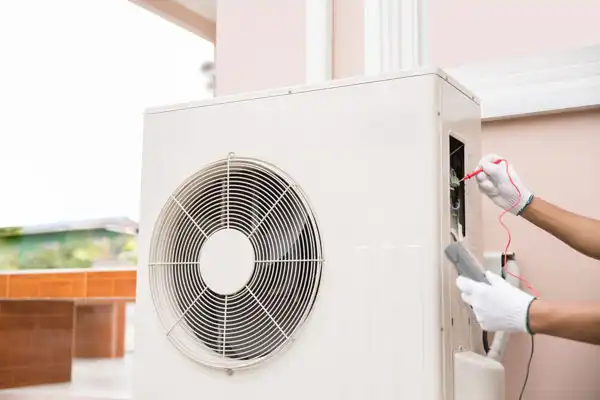
Pittsburgh winters push heat pumps hard, and when the outdoor unit can’t keep up, the system calls on backup heat to fill the gap. Understanding your heat pump emergency heat setting helps you stay warm and avoid high electric bills. Modern smart thermostats offer several operating modes. An emergency or auxiliary heat alert can easily confuse homeowners, and Sullivan Super Service walks through exactly what to do next.
Understanding the Heat Pump Emergency Heat Setting vs. Auxiliary Heat
Many homeowners notice an auxiliary heat alert during the first hard freeze of winter. Both modes provide supplemental warmth, but they play distinct roles in your heating system.
How Normal Auxiliary Heat Works Automatically
Auxiliary heat turns on automatically when outside air gets too cold for the heat pump to warm the home on its own. A standard heat pump absorbs heat from outdoor air and moves it inside. System heating capacity naturally drops as outdoor temperatures fall below 40°F. Most residential systems reach an outdoor balance point between 30°F and 35°F. At that point, the system activates supplemental electric coils to maintain indoor comfort. The outdoor compressor continues running alongside these backup coils to extract every available unit of outdoor warmth. Auxiliary heat also activates during automatic defrost cycles to prevent cold drafts while melting frost off outdoor coils.
What Happens When You Switch to Emergency Heat Mode
Switching to the heat pump emergency heat setting fundamentally changes how your equipment runs. Selecting this mode locks out the outdoor unit completely. Your system stops extracting heat from outdoor air and relies entirely on secondary heat.
Backup heat typically relies on electric resistance coils or a gas furnace in a dual-fuel system. Controls on smart thermostats let you adjust these backup settings. Because the outdoor compressor stays off, your equipment loses all heat transfer efficiency. The system now warms the house solely through direct heating. For this reason, emergency heat serves as a manual backup plan rather than an everyday winter setting.
Heat Pump Emergency Heat: When to Use the Setting
When reviewing heat pump emergency heat when to use guidelines, homeowners can protect equipment and avoid wasting energy. This manual override is designed solely for situations where the outdoor unit cannot run safely or effectively.
Legitimate Reasons to Switch the Setting On
Turn on emergency heat manually if your outdoor unit suffers mechanical damage or structural failure. Clear examples include:
- A winter storm or fallen tree branch damages the outdoor fan blades or coil fins.
- The compressor produces loud screeching or grinding sounds that point to mechanical failure.
- The outdoor unit freezes into a solid block of ice from a failed defrost cycle or a stuck reversing valve (the internal component that switches refrigerant flow between heating and cooling modes).
- A technician advises you to switch to emergency heat while waiting for replacement parts.
In these situations, shutting down the outdoor compressor prevents costly mechanical damage to your equipment.
Common Misconceptions and When to Leave It Off
Some homeowners switch on emergency heat believing it heats a cold home faster. In reality, selecting this mode simply forces backup heating elements to carry the entire load alone. The air blowing from your supply vents might feel warmer, but the room will not reach your desired temperature any faster.
In our Heat Pump vs. Furnace guide, we explain how properly sized systems manage winter temperatures through automatic staging. Unless your outdoor equipment is damaged or frozen over, allow your heating installation to control supplemental heat automatically.
Understanding Operating Costs and System Troubleshooting
Knowing how your equipment consumes energy helps you maintain comfort and prevent spikes in utility bills.
Managing the Impact on Your Utility Bills
Running backup heat for long periods creates a sharp surge in electricity use. An efficient heat pump moves existing heat indoors, which makes it far more economical than direct heating. Electric resistance coils, by contrast, convert electricity directly into heat at a one-to-one ratio.
This difference explains why a high heat pump emergency heat cost can shock unprepared homeowners. Electric backup strips typically draw between 10 and 20 kilowatts per hour of continuous operation. When outdoor temperatures drop below 30°F, running these coils full time can double or triple your normal winter electric bills. Dual-fuel systems switch to natural gas rather than electric coils, but continuous furnace operation also raises fuel costs. Use emergency heat strictly as a temporary bridge while awaiting repairs.
Steps for Heat Pump Emergency Heat Not Working
If you find your heat pump emergency heat not working during a cold snap, prompt troubleshooting is essential. Run through these basic checks before scheduling service:
- Check your electrical panel. Look for a tripped breaker labeled for the air handler, indoor unit, or auxiliary heat strips.
- Inspect thermostat settings. Confirm that your thermostat is set to heat mode and programmed above the current room temperature.
- Replace dirty air filters. A clogged filter restricts airflow and can trip the thermal limit switch (a safety control that shuts down heating elements to prevent dangerous overheating).
If the breakers remain on and the air filter is clean, an internal electrical part may have failed. A broken heating element or a faulty sequencer often prevents backup coils from turning on. The sequencer activates individual heat strips in stages to protect your electrical panel from sudden power surges. When these checks fail to restore heat, turn off the equipment and schedule heating maintenance and repair with an experienced technician.
Keeping Your Pittsburgh Home Warm All Winter
Knowing how your heating equipment works helps protect your comfort and your budget throughout cold Pennsylvania winters. Your heat pump is built to heat your home efficiently. It engages auxiliary heat automatically whenever low temperatures demand an extra boost.
Reserving heat pump emergency heat for actual equipment breakdowns prevents unnecessary electrical strain. It also keeps your winter energy bills under control. If mechanical trouble develops or your system stops heating properly, professional service provides fast, dependable relief.
Professional Heat Pump Services in Pittsburgh
Prompt diagnosis is critical if your heat pump makes strange noises, stays stuck in emergency mode, or blows cold air. Experienced technicians provide dependable heat pump troubleshooting, seasonal tune-ups, and repairs across Pittsburgh and Allegheny County. Contact us today to get your system back to normal.