
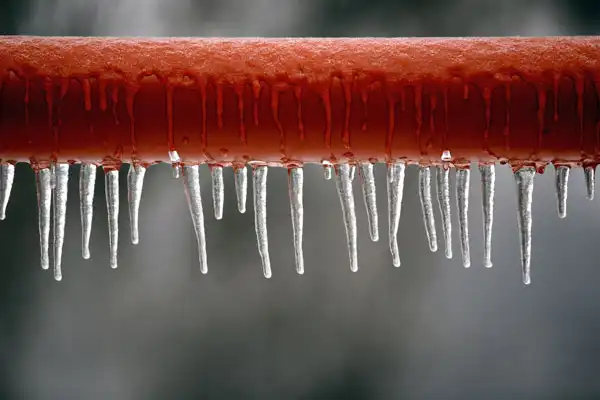
Many houses across Pittsburgh and Allegheny County have unheated basements, crawl spaces, and exterior wall cavities, and frigid outdoor air penetrates those spaces fast once a cold snap hits. Learning how to prevent frozen pipes helps homeowners avoid water leaks, structural damage, and costly emergency repairs before that happens.
Older homes in neighborhoods like Lawrenceville, Shadyside, and Mount Washington often have water lines inside drafty outer walls. Uninsulated pipes face severe freeze risks when outdoor temperatures drop below freezing. Standing water in exposed lines freezes solid as cold air lingers. Expanding ice creates intense hydraulic pressure between the frozen blockage and closed plumbing fixtures. Taking precautions before freezing weather arrives, and knowing when to call in Sullivan Super Service, protects your water lines from severe winter damage.
How to Prevent Frozen Pipes with Everyday Winter Strategies
Identifying Vulnerable Water Lines in Your House
Before cold weather arrives, inspect your home supply lines to find drafty spots. Water pipes along exterior walls, unheated basements, and crawl spaces face the greatest freeze risk. While water freezes at 32°F (0°C), indoor warmth shields indoor pipes until deep cold penetrates exterior walls. Taking time to protect pipes from freezing keeps your plumbing safe all winter.
Outdoor hose bibbs present an immediate hazard. Exposed metal spigots conduct freezing air directly into indoor walls. Disconnect all garden hoses before the first hard frost. If water stays trapped inside a hose, it freezes and backs up into the valve body. That trapped ice can easily split the brass fitting inside your wall.
Homeowners learning how to prevent frozen pipes in winter should also check for air leaks. Inspect rim joists, baseboards, and foundation sills for cold drafts. If you feel drafts, wrap nearby plumbing lines with insulation. PEX tubing tolerates slight expansion better than copper or galvanized steel. Still, severe water pressure can split any pipe material.
Daily Habits That Keep Water Moving and Warmth Circulating
Simple daily habits protect plumbing during winter without requiring special tools. Open kitchen and bathroom vanity cabinet doors during severe cold snaps. This allows warm household air to circulate pipes hidden along outer walls and to your kitchen fixtures.
Letting faucets run at a slight trickle overnight also protects your plumbing. Moving water relieves line pressure and slows ice formation. A pencil-thin stream of water from cold taps provides plenty of flow. Running taps continuously will raise your water bill slightly, but that small utility cost is far lower than the price of repairing water damage. Keep interior doors open so heat spreads evenly into every room.
Physical Pipe Protection and Precautions When Away from Home
How to Prevent Frozen Pipes When Away on Winter Travel
Leaving your house empty during winter cold snaps creates serious plumbing risks. An empty house loses its usual heat buffer, so pipes along exterior walls freeze faster than in an occupied home. Never turn your central heating system completely off during winter trips. Keep your thermostat set to at least 55°F (13°C) day and night so warmth reaches wall cavities.
Maintaining heat at 55°F uses some fuel, but it prevents costly structural disasters. For trips lasting more than a few days, turn off your main water supply valve. After shutting the valve, open all faucets and flush toilets. Draining standing water removes pressure from the plumbing system.
Ask a trusted neighbor to check your home regularly while you are away. A neighbor can verify that your furnace or boiler continues to heat the home during freezes. If you have a smart thermostat, set low-temperature alerts to notify your phone if indoor heat drops.
Adding Insulation and Eliminating Drafts Around Plumbing Lines
Pipe insulation creates a protective barrier that shields water lines from chilly air. Fitting exposed pipes with foam sleeves or fiberglass wrap helps keep water above freezing. Focus on vulnerable spots such as crawl spaces, basements, and garages. Be sure to wrap pipe bends and joints, where ice often starts to form.
Sealing foundation gaps with caulk or expanding foam is just as important. Cold drafts blowing through wall gaps can freeze exposed plumbing lines within hours. Check dryer vents, electrical entries, and outdoor sill plates for drafty cracks.
These proactive steps represent an essential strategy for how to prevent frozen pipes from bursting in extreme weather. Pipe bursts happen when trapped water pressure builds up behind an ice blockage. That extreme hydraulic pressure causes a sudden frozen pipe burst that can ruin floors, drywall, and ceilings.
Recognizing Frozen Lines and Safe Steps to Take
Warning Signs of a Developing Freeze
Catching freeze symptoms early helps you act before expanding ice cracks a pipe. The clearest warning sign is a faucet that produces only a weak trickle or no water at all. You might also spot frost or moisture on exposed supply pipes in your basement. Gurgling drain noises or unusual whistling behind walls can also signal that ice is blocking water flow.
- Faucet runs at a trickle: Signals a partial ice blockage forming. Open the tap fully, turn up your thermostat, and apply gentle heat to the exposed line.
- Zero water flow at a single fixture: Indicates a localized line freeze. Locate the frozen pipe section and warm the exposed pipe using a hair dryer.
- Zero water across the whole home: Means the main supply line or water meter is frozen. Immediately shut the main water valve and call a licensed plumber.
- Bulging pipe or visible frost ring: Points to severe ice expansion. Shut off the water supply immediately to prevent a pipe rupture.
Safe Thawing and Inspection Steps for Frozen Plumbing
When dealing with frozen pipes, what to do first is shut off the nearest supply valve and open the affected faucet. Keep the faucet open so melting water and steam can escape as the line warms up. Warm frozen pipe sections gently with a hair dryer or warm towels. You can also set a portable space heater nearby at a safe distance.
Never use an open flame, propane torch, or heat lamp to thaw pipes. Open flames pose severe fire hazards and can shatter frozen pipes through sudden thermal shock. Work slowly from the open faucet back toward the frozen blockage. This path allows melting water to drain freely without building trapped pressure behind the ice plug.
Once water flows again, inspect nearby fittings, joints, and elbows for hairline cracks or pinhole leaks. Cracks often remain sealed by ice and only begin leaking after the pipe thaws completely. If you spot water leaking from a line, shut off your main valve and call a professional plumber.
Protecting Your Pittsburgh Home Throughout the Cold Season
Insulating exposed water lines, sealing drafts, and maintaining steady indoor heat protect your home from winter plumbing failures. When temperatures fall across Allegheny County, knowing how to prevent frozen pipes protects your property against severe structural leaks. Taking a weekend before winter to wrap cold pipes and seal basement rim joists provides reliable seasonal protection.
Daily habits like opening sink cabinets and setting your thermostat to 55°F or higher keep water moving reliably. Pairing everyday awareness with physical barriers against cold drafts keeps your plumbing functional and your home dry all winter.
Contact Sullivan Super Service for Reliable Winter Plumbing Support
If you suspect a frozen water line or notice sudden pressure drops, consult the licensed plumbers at Sullivan Super Service. Our team can also perform a comprehensive inspection of your plumbing system. Serving homeowners throughout Pittsburgh and Allegheny County since 1964, our experienced team provides plumbing inspections, leak detection, and line repairs. Contact us today to safeguard your home plumbing this winter.